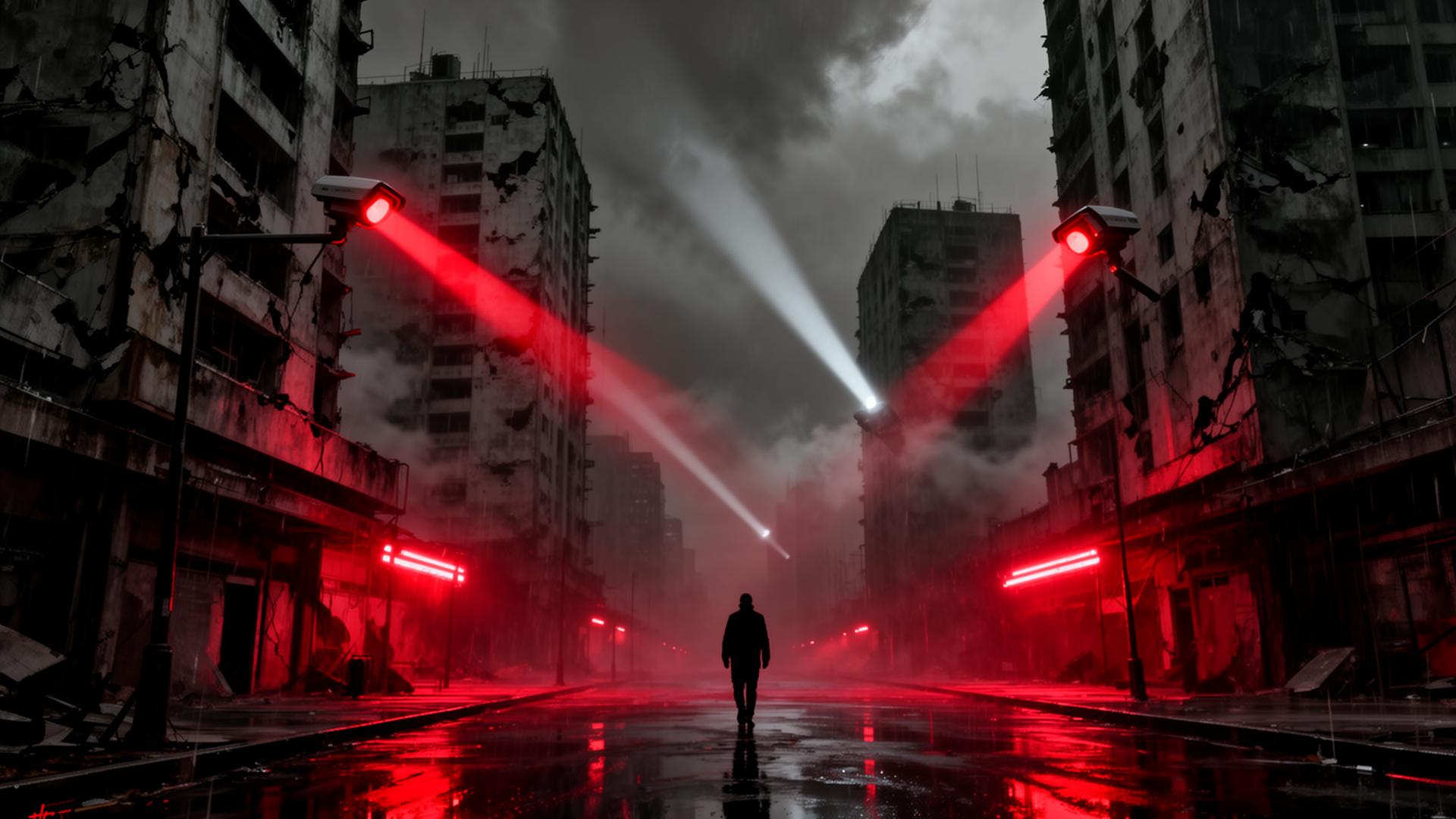
The History of Dystopian Fiction: From Zamyatin and Orwell to the Climate-Cracked Futures of 2026
The History of Dystopian Fiction: From Zamyatin and Orwell to the Climate-Cracked Futures of 2026
Every era gets the dystopia it deserves. The Victorians feared mechanization and class war. The interwar generation feared the total state. The Cold War feared the bomb and the boot. The 1980s feared corporations with their own private armies. The 2020s fear a planet that has stopped cooperating, an algorithm that has stopped explaining itself, and a politics that has stopped pretending. Dystopian fiction is the long, unbroken record of those fears — and the literary form most willing to look directly at them.
This is the history of the genre: where it came from, the books that defined it, the writers who keep reinventing it, and the modern indie novels — many of them from Lurking Fear Publishing — that are dragging the tradition into 2026 and beyond.
1. Before Dystopia: The Anti-Utopian Roots (1516–1900)
The word "dystopia" was coined in the nineteenth century — John Stuart Mill used it in a parliamentary speech in 1868 — but the impulse is much older. Thomas More's Utopia (1516) named the genre's positive twin, and almost immediately writers began answering it in the negative. Jonathan Swift's Gulliver's Travels (1726) is, in its later voyages, a furious anti-utopia. Samuel Butler's Erewhon (1872) and the dark second half of H. G. Wells's The Time Machine (1895) both imagined futures where progress had curdled into horror.
By the end of the nineteenth century the template was in place: take a stated ideal — efficiency, equality, purity, order, abundance — and follow it to its logical, suffocating conclusion. That move is still the engine of every dystopian novel written today.
2. The Founding Trilogy: We, Brave New World, Nineteen Eighty-Four (1924–1949)
Modern dystopian fiction begins in Soviet Russia. Yevgeny Zamyatin's We, written in 1920–1921 and first published in English in 1924, imagines a future city of glass apartments, numbered citizens, and a "Benefactor" who has perfected happiness by abolishing freedom. It was banned in the USSR for sixty years. Both Aldous Huxley and George Orwell read it. Both wrote in answer to it.
Huxley's Brave New World (1932) inverted the threat. Where Zamyatin's state coerced, Huxley's state seduced. Citizens were engineered in bottles, sorted by caste, and pacified by sex, consumer goods, and a euphoric drug called soma. The horror was that nobody minded. Huxley understood, half a century before the smartphone, that the most efficient tyranny would be the one we asked for.
Orwell's Nineteen Eighty-Four (1949) gave the genre its iconography. The telescreen. Big Brother. The Ministry of Truth. Newspeak. Room 101. Doublethink. Written as Orwell was dying of tuberculosis and Europe was rebuilding from one totalitarian catastrophe while staring into another, the novel fused Zamyatin's structure with Huxley's psychology and added a third element neither had named: the deliberate destruction of objective truth as a political project. Every surveillance novel written since is a footnote to 1984.
3. The Cold War Boom (1950–1979)
The dystopian decades that followed were shaped by the bomb, the bloc, and the broadcast. Ray Bradbury's Fahrenheit 451 (1953) burned books in living rooms wallpapered with screens. Anthony Burgess's A Clockwork Orange (1962) staged the war between behaviorist conditioning and free will on the body of a single teenage boy. Margaret Atwood would later call this period "the long argument about whether the state owns you."
Philip K. Dick built an entire career inside dystopia: The Penultimate Truth (1964), Do Androids Dream of Electric Sheep? (1968), A Scanner Darkly (1977). His paranoid corporate-theocratic Americas are the direct ancestor of Black Mirror. Ursula K. Le Guin's The Dispossessed (1974) refined the form by setting a flawed anarchist utopia against a familiar capitalist dystopia and refusing easy answers.
Soviet samizdat circulated The Master and Margarita and Andrei Platonov's The Foundation Pit. In Latin America the dictatorship novels of the 1970s — García Márquez's The Autumn of the Patriarch (1975), Roa Bastos's I, the Supreme (1974) — produced a regional dystopian tradition that fused magical realism with the lived experience of authoritarianism.
The seventies closed with the genre fully mature, internationally distributed, and respected enough to win major literary prizes. That respectability mattered. It meant publishers would now buy dystopia in hardcover.
4. The Cyberpunk Turn (1980–1995)
The 1980s rewired the dystopia. William Gibson's Neuromancer (1984) and the stories collected in Burning Chrome (1986) imagined a future in which the state had been hollowed out and the new totalitarianism wore a corporate logo. Bruce Sterling's Schismatrix (1985), Pat Cadigan's Synners (1991), and Neal Stephenson's Snow Crash (1992) extended the project.
Cyberpunk's contribution was structural: it relocated power from the Ministry of Truth to the boardroom and the network. Surveillance was no longer a building you feared; it was an infrastructure you lived inside. That move feels obvious in 2026. In 1984 it was prophetic.
Meanwhile, in a quieter register, Margaret Atwood published The Handmaid's Tale (1985), the single most influential dystopian novel of the late twentieth century. Atwood insisted that nothing in the Republic of Gilead had been invented — that every cruelty depicted in the book had a historical precedent. That methodological rule, "no fantasy elements, only documented horrors," became a standard for the entire next generation of literary dystopia.
5. The Post-9/11, Post-Climate, Post-Truth Decade (2000–2015)
After 2001 the genre exploded. Cormac McCarthy's The Road (2006) stripped dystopia back to ash, a father, and a son. Kazuo Ishiguro's Never Let Me Go (2005) used a quiet English boarding school to dramatize bioethical horror. Octavia Butler's Parable of the Sower (1993) and Parable of the Talents (1998), criminally underread on first publication, were rediscovered as climate prophecy. Suzanne Collins's The Hunger Games (2008) brought dystopian conventions to a generation of teen readers and changed YA publishing for a decade.
Cli-fi — climate fiction — emerged as a distinct sub-genre in this period. Paolo Bacigalupi's The Windup Girl (2009), Kim Stanley Robinson's 2312 (2012), and Margaret Atwood's MaddAddam trilogy (2003–2013) treated ecological collapse as the dystopian engine of the century. The shift mattered: for the first time since Orwell, the threat was not a regime to be overthrown but a planetary trajectory to be survived.
The 2010s also saw dystopia colonize literary fiction proper. Cormac McCarthy, Margaret Atwood, Marilynne Robinson, Don DeLillo, and Jennifer Egan all worked in the mode. The wall between "genre" and "literary" dystopia, never very solid, effectively dissolved.
6. The Surveillance Decade (2015–2022)
If the 2000s were about climate, the late 2010s were about the screen. Dave Eggers's The Circle (2013) and its sequel The Every (2021), Jenny Offill's Weather (2020), Ling Ma's Severance (2018), and Hari Kunzru's Red Pill (2020) examined what it feels like to live inside a total information environment that is also a total consumer environment.
In film and television the same shift was unmissable. Black Mirror, The Handmaid's Tale, Station Eleven, Severance, Years and Years, Squid Game — all dystopias, all critical and commercial successes, all running concurrently. Audiences had moved past the question of whether dystopia was relevant. The genre had become the default register for serious speculative fiction.
7. Where Dystopian Fiction Is Now (2023–2026)
By the mid-2020s the genre has split into several distinct lanes, often braided together in a single novel:
- Climate dystopia: heat domes, mass migration, water wars, ecological grief. - Surveillance dystopia: algorithmic governance, biometric border control, predictive policing. - Bio-dystopia: gene editing, fertility collapse, pandemic memory, engineered scarcity. - Theocratic dystopia: post-democratic authoritarianisms wearing religious clothing. - Corporate-feudal dystopia: company towns rebuilt as data parks, citizenship as subscription. - Post-truth dystopia: AI-generated reality, synthetic media, the disappearance of the verifiable.
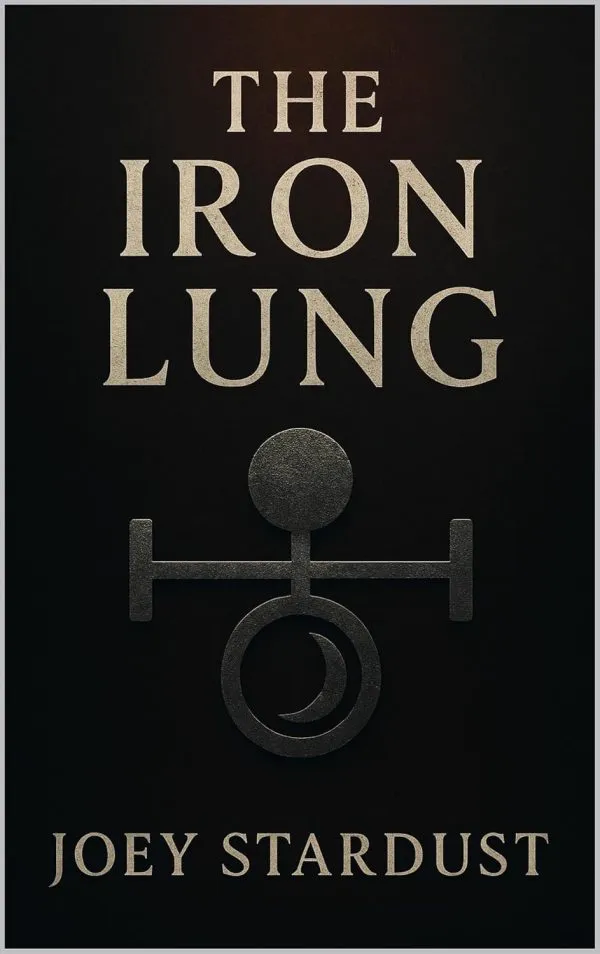
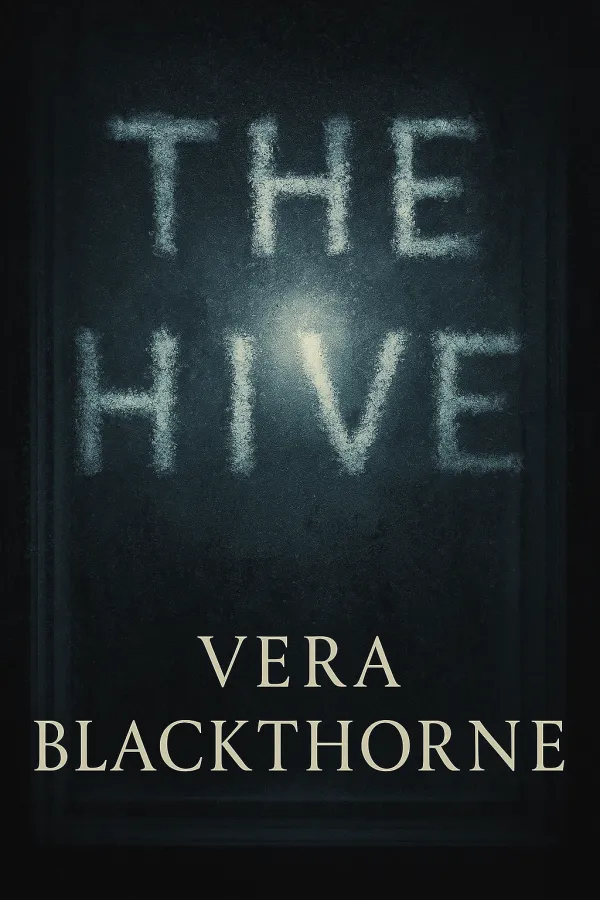
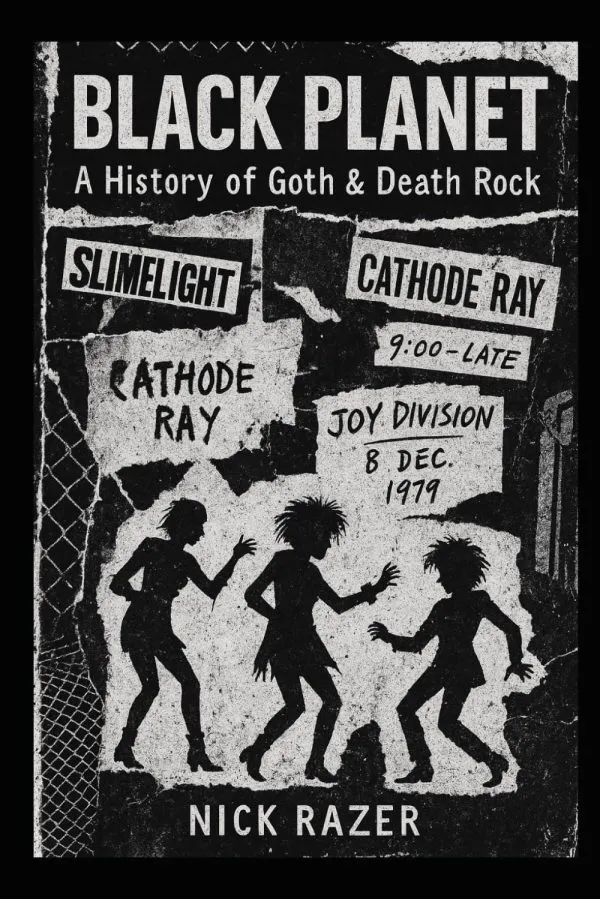
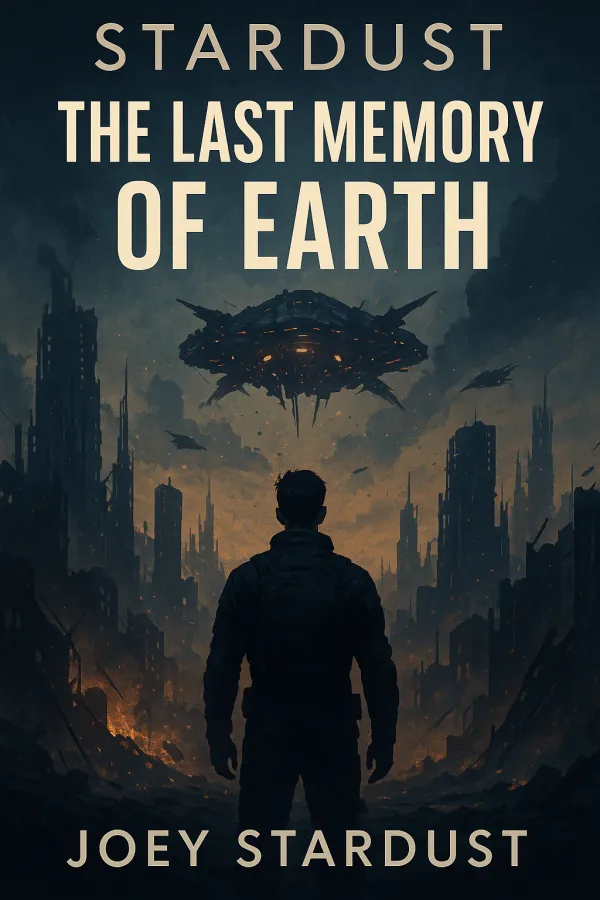
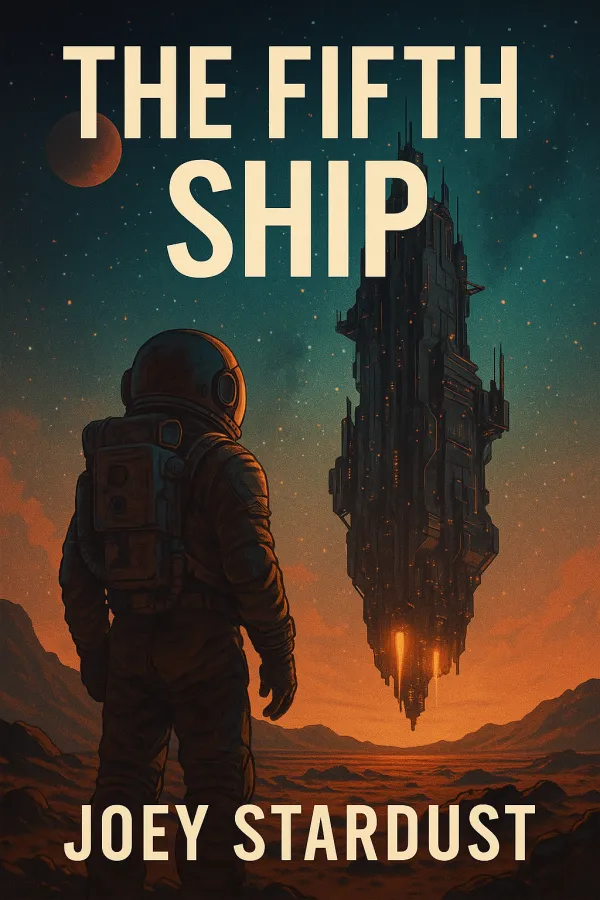
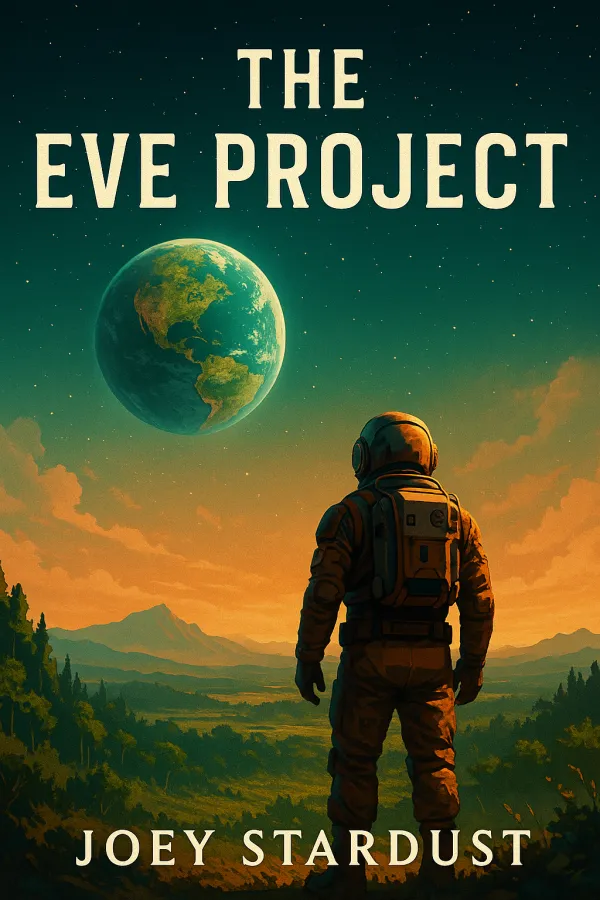
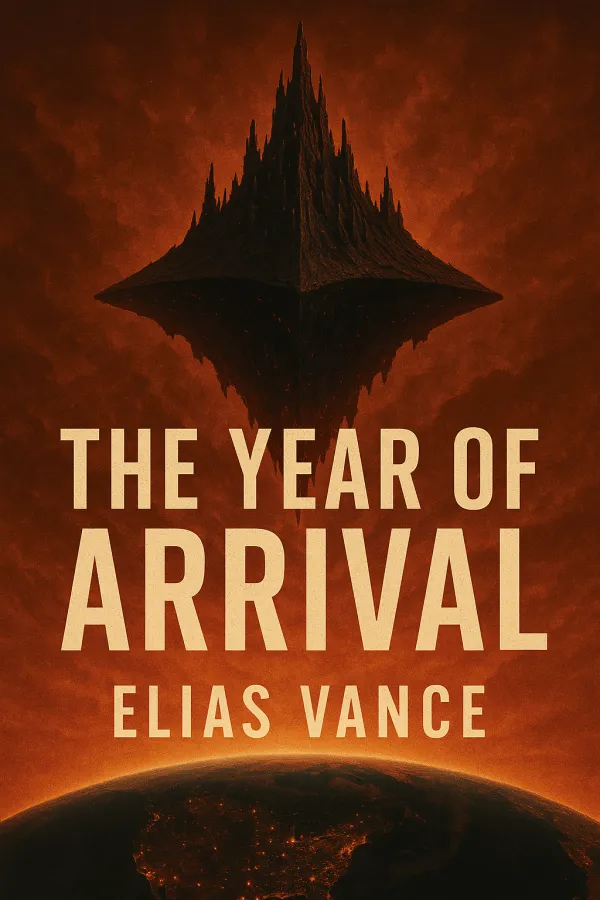
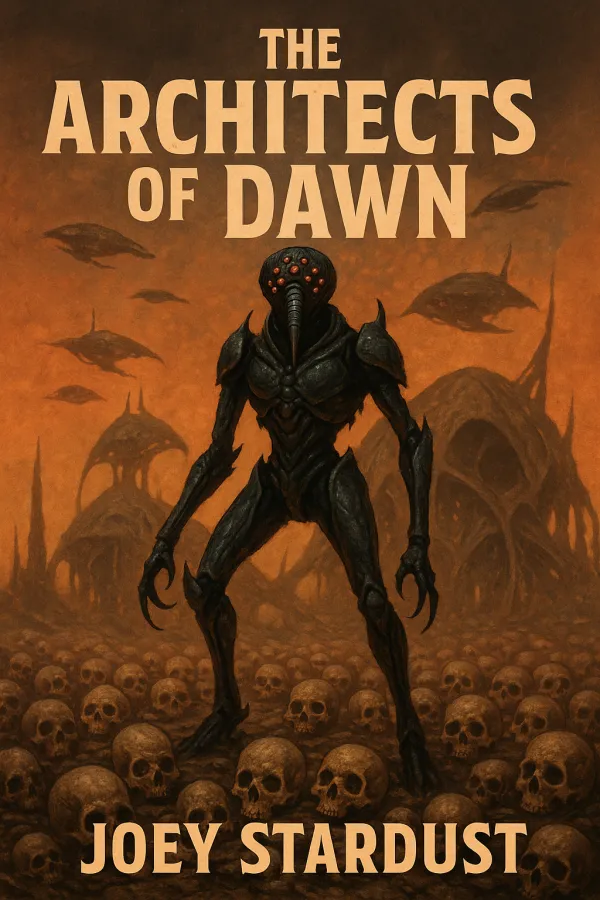
The indie scene has been quicker than the legacy houses to combine these lanes. At Lurking Fear Publishing the dystopian shelf is one of our deepest. Black Planet imagines an Earth where the sky itself has been weaponized. Last Memory of Earth follows the final archivist of a vanished civilization through the records she is forbidden to read. The Hive is a corporate-feudal dystopia in which a single tech conglomerate has replaced the state. Iron Lung is a bio-dystopia about engineered respiratory failure as a tool of population control. The Eve Project and The Fifth Ship explore generation-ship dystopias where the experiment of leaving Earth has gone catastrophically wrong. Architect's Dawn reads as a brutalist meditation on planned cities that plan their citizens. Year of Arrival examines a first-contact event whose dystopian consequences are administrative rather than violent. Vanguard Incident is a surveillance thriller set inside a military-intelligence apparatus that has lost the ability to distinguish its enemies from its own files. Star Man and Silent Spring push the climate-dystopia register into the personal and the elegiac. Song of Silence closes the genre's circle by imagining a post-truth dystopia in which language itself has been quietly censored out from under its speakers.
Read together, these books map most of the territory the genre is exploring in 2026: ecological catastrophe, corporate sovereignty, surveillance, bio-control, the disappearance of shared reality, and the small acts of resistance that still matter inside all of it.
For a curated companion to this history, see our long list of the best post apocalyptic dystopian novels of all time — a deep-dive reading guide covering the twenty defining titles of the genre, from The Road to Station Eleven to The Handmaid's Tale.
8. Why Dystopian Fiction Matters
There is an old and lazy criticism of dystopian fiction — that it is pessimistic, that it teaches helplessness, that it normalizes the bad future by depicting it. The opposite is true. The genre is, structurally, a rehearsal for resistance. Every dystopian novel worth reading contains a character who chooses, against the weight of the system, to remember, to speak, to refuse, to act. The Handmaid's Tale ends with a scholarly framing that proves Gilead fell. 1984 ends in defeat for Winston but is itself an act of preservation — Orwell wrote the appendix on Newspeak in the past tense because the future regime had ended. The genre is not nihilism. It is a long argument that the present is contingent.
Octavia Butler put it most cleanly: "The only lasting truth is change. God is change. Shape change." Dystopian fiction is the literature that takes that line seriously enough to dramatize what happens when change runs the wrong way — and what people can still do inside the wrong way.
9. How to Read the Genre in 2026
A short reading path for a contemporary reader who wants the full arc:
- Start with Zamyatin's We for the template. - Read Huxley's Brave New World and Orwell's 1984 back to back. They are still the two best entry points. - Move to Atwood's The Handmaid's Tale and Butler's Parable of the Sower for the late-twentieth-century inflection. - Read Gibson's Neuromancer for the corporate-network turn. - Read McCarthy's The Road and Ishiguro's Never Let Me Go for the literary-dystopia bridge. - Read Bacigalupi's The Windup Girl and Robinson's The Ministry for the Future for the climate axis. - Read Ling Ma's Severance and Dave Eggers's The Every for the surveillance-consumer axis. - Then read the indie dystopias. Lurking Fear titles like Black Planet, Last Memory of Earth, The Hive, Iron Lung, Vanguard Incident, Architect's Dawn, Year of Arrival, The Fifth Ship, The Eve Project, Star Man, Silent Spring, and Song of Silence will give you the 2026 weather report.
10. The Future of the Genre
Dystopian fiction is not going away. As long as there are regimes, algorithms, atmospheres, and economies behaving badly, the form will renew itself. What will change is the relative weight of its concerns. Expect the next decade to bring more bio-dystopia (CRISPR, fertility, neural editing), more AI-governance dystopia (regulatory capture by models that nobody can interpret), more borderless climate-migration narratives, and more genre-blending — dystopia braided with horror, with romance, with crime, with the literary mainstream.
The job of the writer is unchanged. Look at the systems honestly. Imagine where they go. Put a recognizable person inside the result. Make the reader feel, in the safety of fiction, what is at stake — and then send them back out into a world they can still, just barely, change.
References & Further Reading
- Zamyatin, Y. We (1924). - Huxley, A. Brave New World (1932). - Orwell, G. Nineteen Eighty-Four (1949). - Bradbury, R. Fahrenheit 451 (1953). - Burgess, A. A Clockwork Orange (1962). - Le Guin, U. K. The Dispossessed (1974). - Atwood, M. The Handmaid's Tale (1985); MaddAddam trilogy (2003–2013). - Butler, O. Parable of the Sower (1993); Parable of the Talents (1998). - Gibson, W. Neuromancer (1984). - McCarthy, C. The Road (2006). - Ishiguro, K. Never Let Me Go (2005). - Bacigalupi, P. The Windup Girl (2009). - Robinson, K. S. The Ministry for the Future (2020). - Ma, L. Severance (2018). - Eggers, D. The Circle (2013); The Every (2021). - Lurking Fear Publishing dystopian catalog: Black Planet, Last Memory of Earth, The Hive, Iron Lung, The Eve Project, The Fifth Ship, Architect's Dawn, Year of Arrival, Vanguard Incident, Star Man, Silent Spring, Song of Silence.
Share this article