What Is Weirdcore? A Guide to the Surreal Fiction Aesthetic and the Best Weirdcore Books to Read in 2026
What Is Weirdcore? A Guide to the Surreal Fiction Aesthetic and the Best Weirdcore Books to Read in 2026
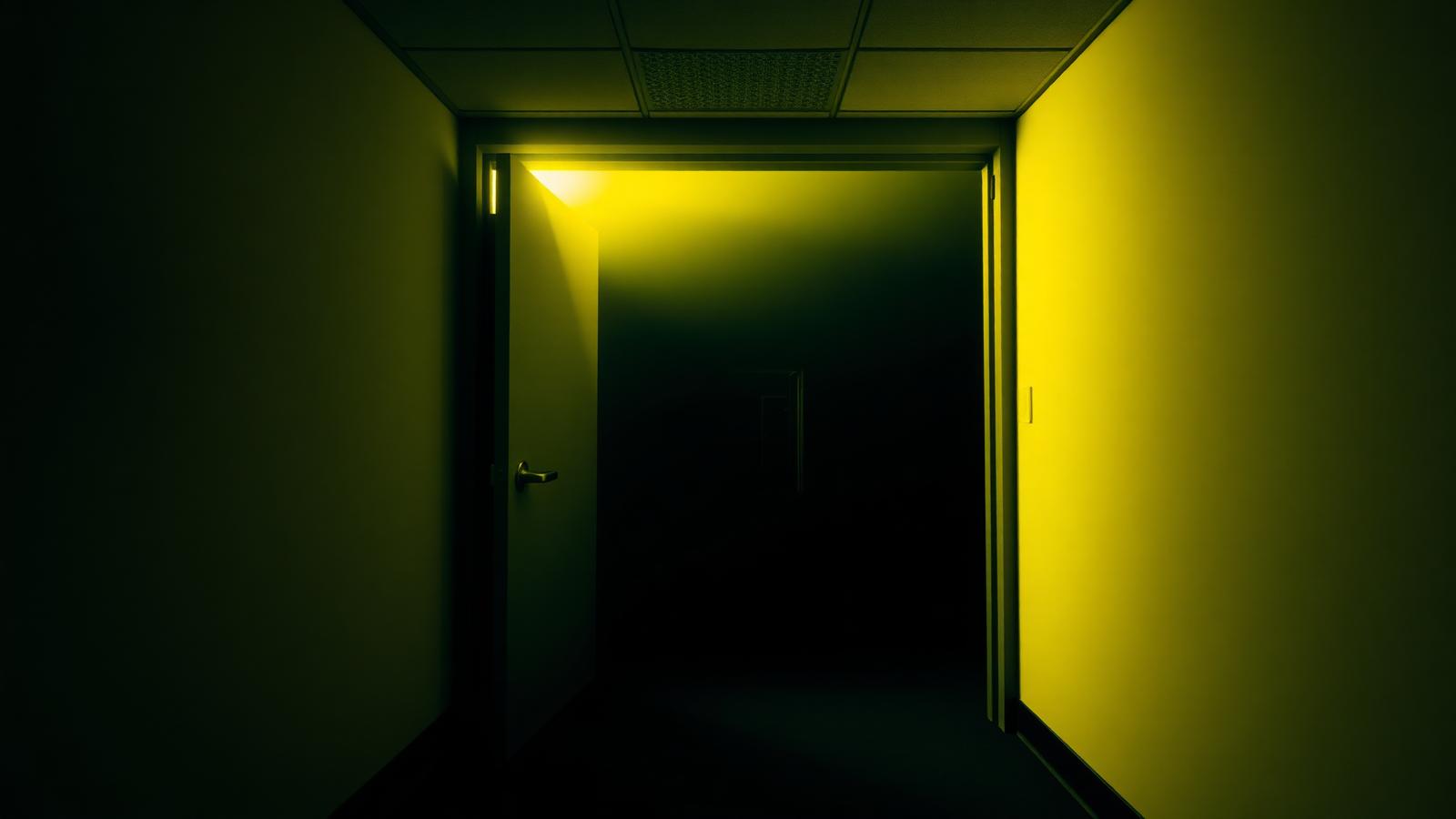
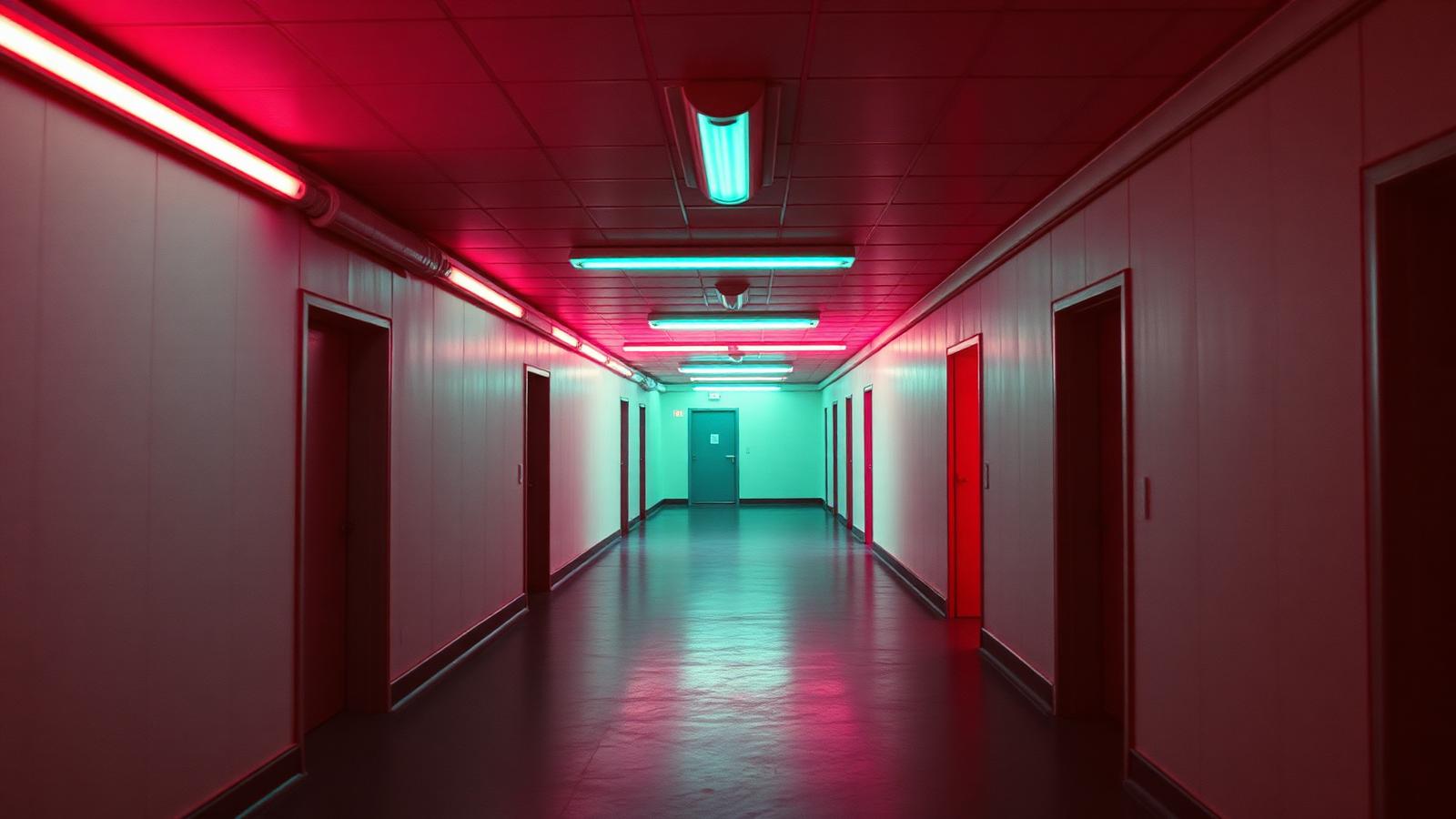
Weirdcore is the aesthetic that made a generation of readers realize an empty hallway can be scarier than a monster. What began as a Tumblr image tag — flash-lit corridors, mall interiors at 3 a.m., grainy photos of nothing in particular — has, over the last five years, become a genuine literary mode. Writers have taken the visual grammar of weirdcore and rebuilt it as prose: nameless narrators, unstable rooms, memories that will not sit still, and a soft, ambient dread that never quite resolves into a threat you can point at.
This guide defines the genre, walks through its tropes, and lists the weirdcore books worth reading in 2026 — including several from the Lurking Fear Publishing catalog that sit squarely inside the aesthetic.
1. What Weirdcore Actually Is
Weirdcore is a subgenre of the surreal. Its defining move is to take an ordinary place — a school hallway, a public pool, a hotel lobby, a suburban street at dusk — and drain it of the people, the sound, and the reassurance that make it ordinary. What is left behind feels wrong in a way the reader cannot immediately explain. That unease is the entire point.
Three tributaries feed the mode. The first is classic weird fiction: Lovecraft, Machen, Blackwood, and their modern heirs, who insisted horror could be cosmological and atmospheric rather than gory. The second is the internet aesthetic movement of the late 2010s — liminal-space photography, dreamcore Tumblrs, the Backrooms mythos — which trained a generation of readers to associate low-resolution photographs of empty rooms with a specific flavor of dread. The third is the long tradition of surreal literary fiction, from Kafka through Borges through Murakami, which normalized dream logic as a serious narrative tool.
Weirdcore literature braids all three. It reads like weird fiction, looks like liminal-space photography, and moves like a Borges story.
2. The Tropes That Define Weirdcore Fiction
You know a book is working in the weirdcore mode when several of these are present:
- Unstable architecture. Corridors that do not end. Stairs that arrive somewhere they should not. Rooms that were not there yesterday. - Emptied ordinary spaces. Schools without students, malls without shoppers, pools without swimmers. The absence is louder than any presence would be. - Photographic prose. Descriptions written as if lifted from a badly exposed photograph — low light, wrong colors, a slight blur. - Nameless or memory-loss narrators. Point-of-view characters who do not fully know who they are, where they are, or when they are. - Ambient, not acute, dread. No creature, no killer, no confrontation — just a sustained wrongness that the reader cannot dismiss. - Refused explanations. The ending withholds the reveal. The reader leaves the book carrying the unease out with them, which is the whole design.
If a novel hits four of those six, you are inside the weirdcore aesthetic whether the marketing copy uses the word or not.
3. The Canon (So Far)
Weirdcore is young as a named category, but its literary ancestors are not. A short canon that gives you the range of the mode:
- Franz Kafka, The Trial and The Castle. The original architecture-as-nightmare novels. Every weirdcore corridor descends from Kafka's. - Jorge Luis Borges, Ficciones and The Aleph. Impossible libraries, infinite houses, gardens of forking paths. The template for weirdcore's refusal to explain. - Shirley Jackson, The Haunting of Hill House. A house that is wrong on its own terms, described in prose that photographs it more than narrates it. - Thomas Ligotti, Teatro Grottesco and Songs of a Dead Dreamer. The purest living link between classic weird fiction and the contemporary weirdcore mode. - Mark Z. Danielewski, House of Leaves. The single most influential weirdcore novel of the last thirty years. A house larger on the inside than the outside, documented in footnotes that eat their own text. - Jeff VanderMeer, Annihilation. Area X is weirdcore geography rendered as ecological horror. The lighthouse, the tower, the shifting map — pure aesthetic. - Haruki Murakami, Hard-Boiled Wonderland and the End of the World and Killing Commendatore. Dream logic used with a straight face, in rooms that will not stay put. - Jon Bois, 17776. A weirdcore internet-native novel about time, space, and football that could not exist in any other decade. - Catherine Lacey, Pew. A nameless narrator, a small town, a week of unease — a compact masterclass in the mode.
That list gets a reader oriented. What follows is where the genre is actually being written in 2026.
4. Weirdcore in 2026: Where the Mode Is Now
The last three years have been a growth period for the aesthetic. TikTok and the Backrooms cinematic universe pushed the visual vocabulary further into the mainstream, and small presses have been quicker than the big houses to publish fiction that answers it. The result is a widening indie shelf of novels and novellas that are doing serious literary work inside the weirdcore frame.
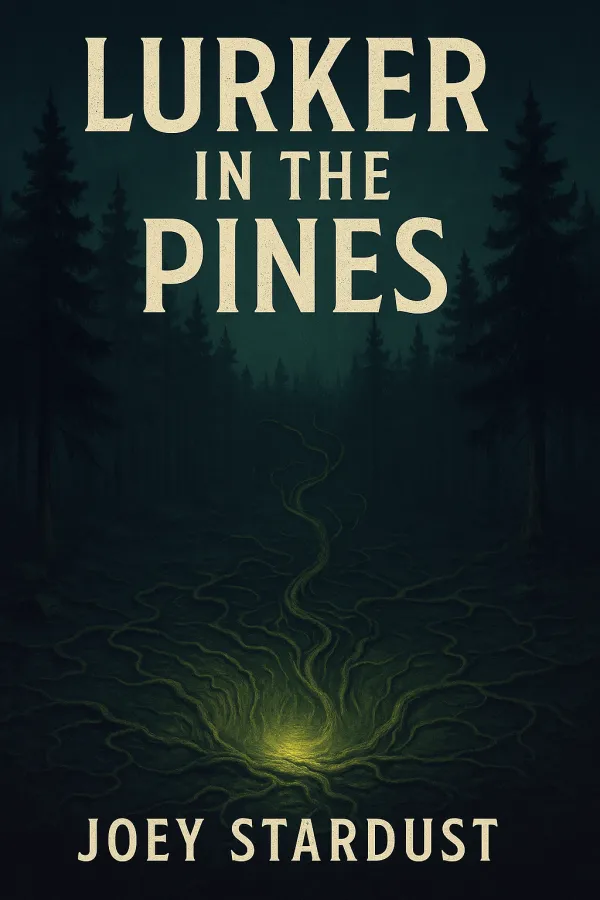
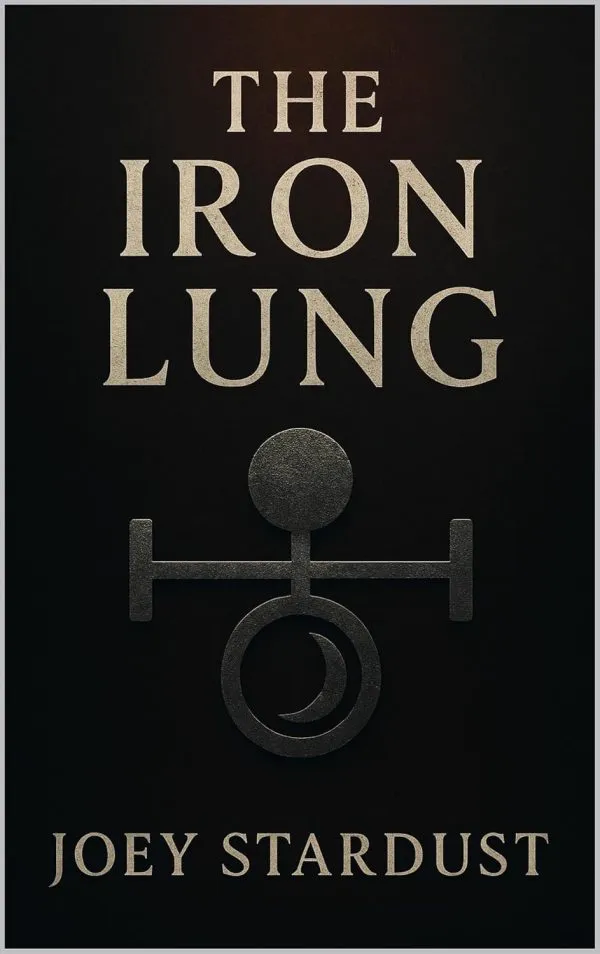
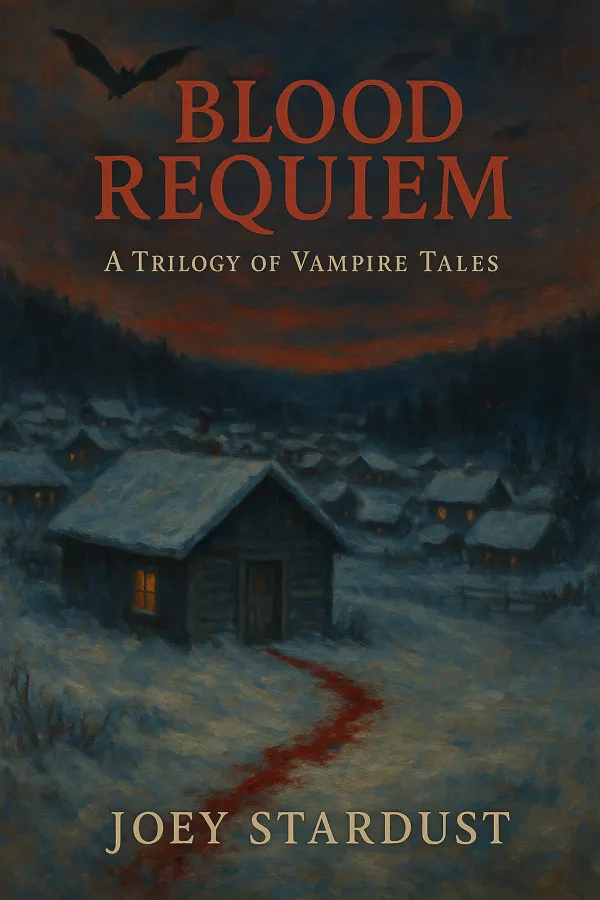
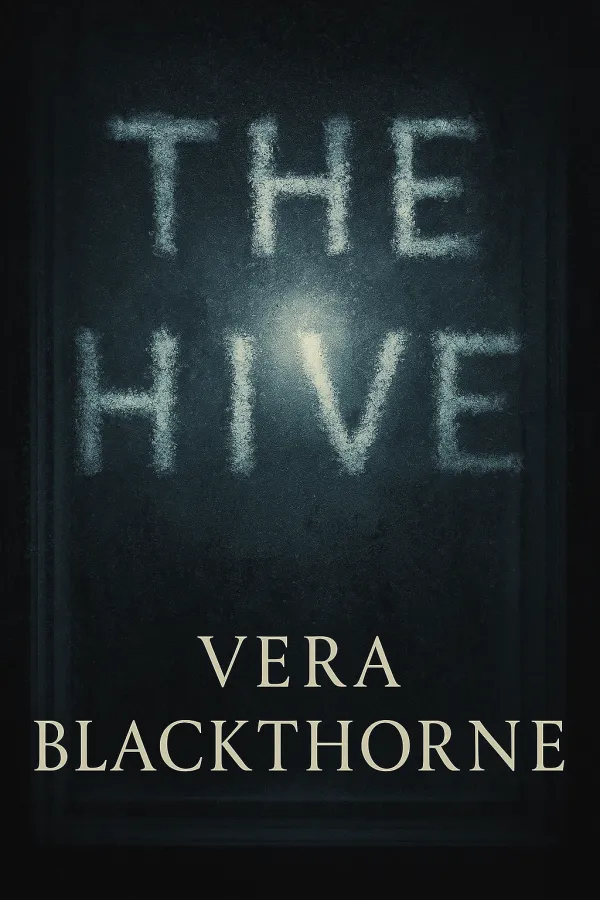
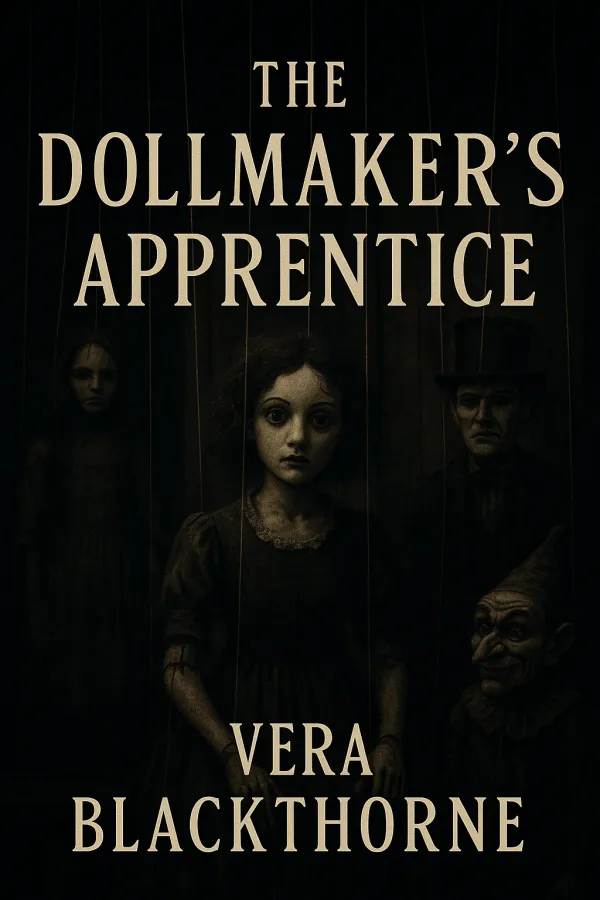
At Lurking Fear Publishing several of our titles read as weirdcore in everything but the marketing category. Lurker Pines is a small-town novel in which the town itself is the antagonist, described in the flat, over-lit prose of a real-estate listing that has started to lie. Dulce Lake uses a New Mexico research site as a liminal-space engine — corridors, elevators, and a facility whose map keeps redrawing itself. The Dollmaker's Apprentice is a doll-shop novel that turns a single retail interior into a Kafka corridor, complete with a back room that should not fit inside the building. Salt Wife reworks a coastal cottage into a piece of unstable architecture, and Iron Lung uses a shuttered hospital ward as a photograph you cannot stop looking at. Ghost Ship Lazarus is weirdcore at sea — an abandoned vessel described with the same low-fi photographic patience that liminal-space photographers bring to empty motels. Blood Requiem and The Hive push the mode into corporate and religious interiors respectively, both trading on the same principle: the room is the horror.
Read alongside House of Leaves and Annihilation, these books map most of the territory the aesthetic is exploring right now.
5. A 2026 Weirdcore Reading Path
A short path for a reader who wants the aesthetic from its roots to its current edge:
- Start with Shirley Jackson's The Haunting of Hill House for the architectural template. - Read Borges's Ficciones and one Kafka novel for the surreal-logic backbone. - Move to Ligotti's Teatro Grottesco for the weird-fiction bridge. - Read Danielewski's House of Leaves. There is no substitute. - Read VanderMeer's Annihilation for the ecological version of the mode. - Read Catherine Lacey's Pew and Jon Bois's 17776 for the contemporary literary and internet-native versions. - Then read the indie weirdcore shelf. Lurking Fear titles like Lurker Pines, Dulce Lake, The Dollmaker's Apprentice, Salt Wife, Iron Lung, Ghost Ship Lazarus, Blood Requiem, and The Hive will give you the 2026 register.
For readers who want the wider frame around this mode, our long history of dystopian fiction from Orwell to 2026 covers the surveillance, climate, and post-truth traditions that weirdcore often bleeds into, and our companion guide to the best post apocalyptic and dystopian novels traces the collapse-fiction canon that shares a border with the weirdcore shelf.
6. Why Weirdcore Matters
The mode's rise is not an accident of internet taste. Weirdcore is the fiction of a decade in which the ordinary world genuinely stopped feeling reliable — empty streets during the pandemic, algorithmic feeds that reorganized themselves overnight, buildings full of remote workers, malls that turned into ghost architecture. The aesthetic gave readers a form for describing a felt reality that traditional realism was too crowded to see. That is the oldest job of weird fiction, and weirdcore is its 2026 answer.
The books above are how the genre is currently doing that job. Start with any of them, and the aesthetic starts to feel less like an internet tag and more like the literary mode it is quietly becoming.
Share this article