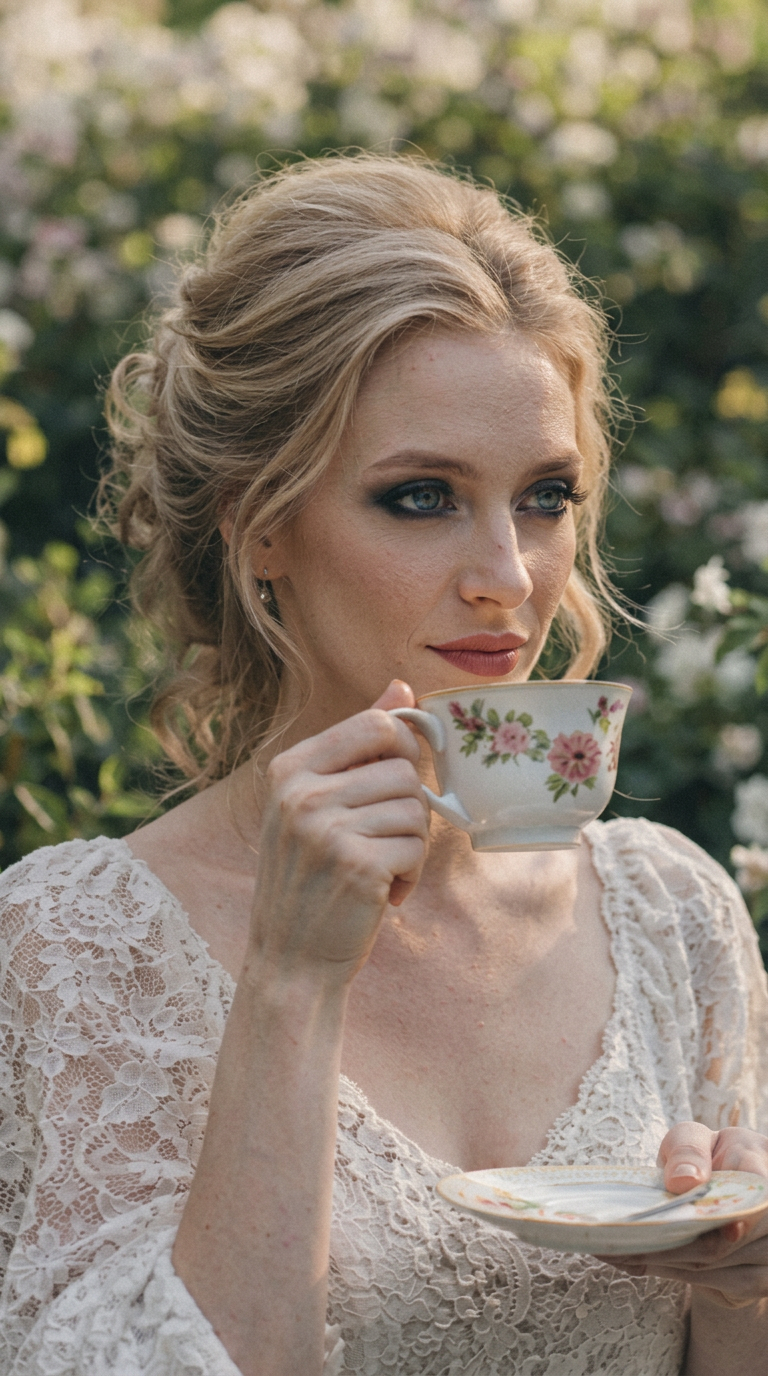
Vera Blackthorne
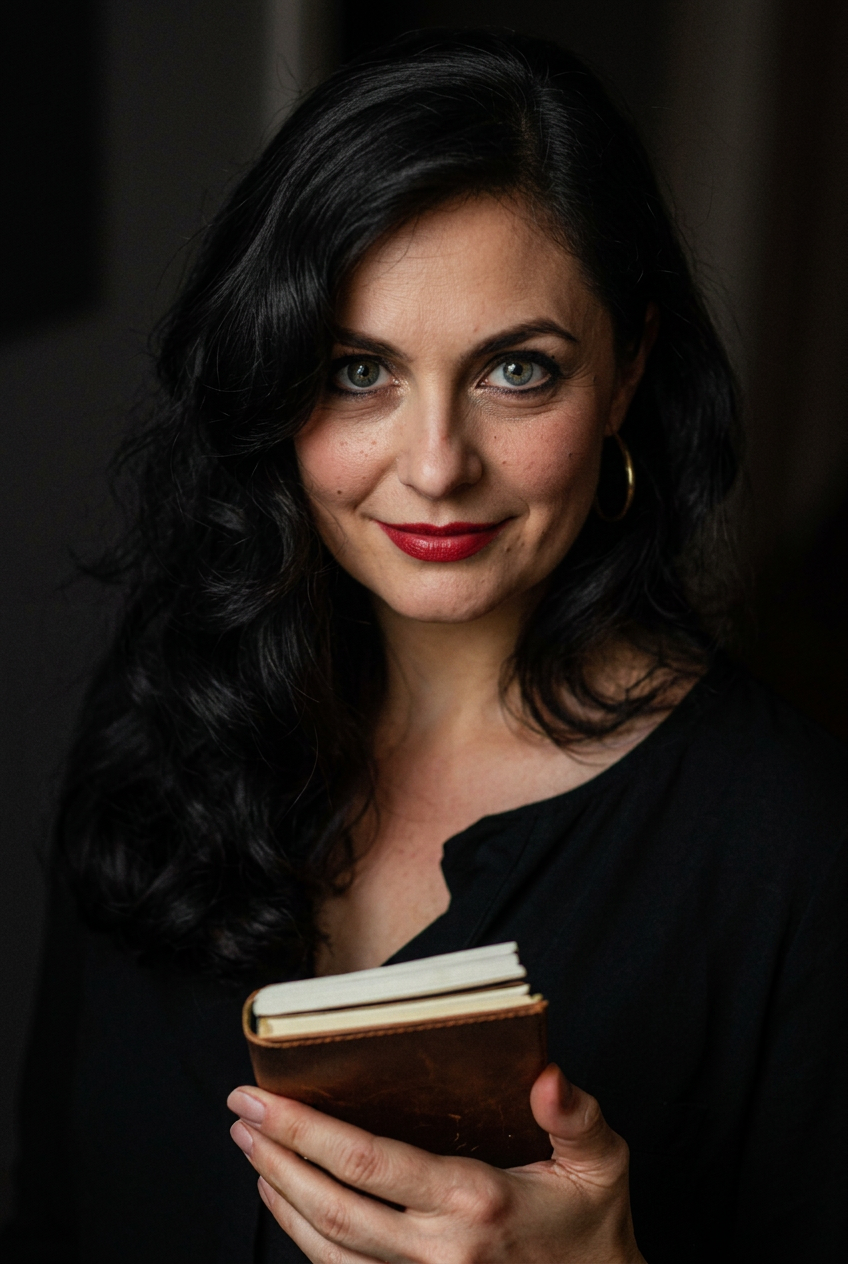
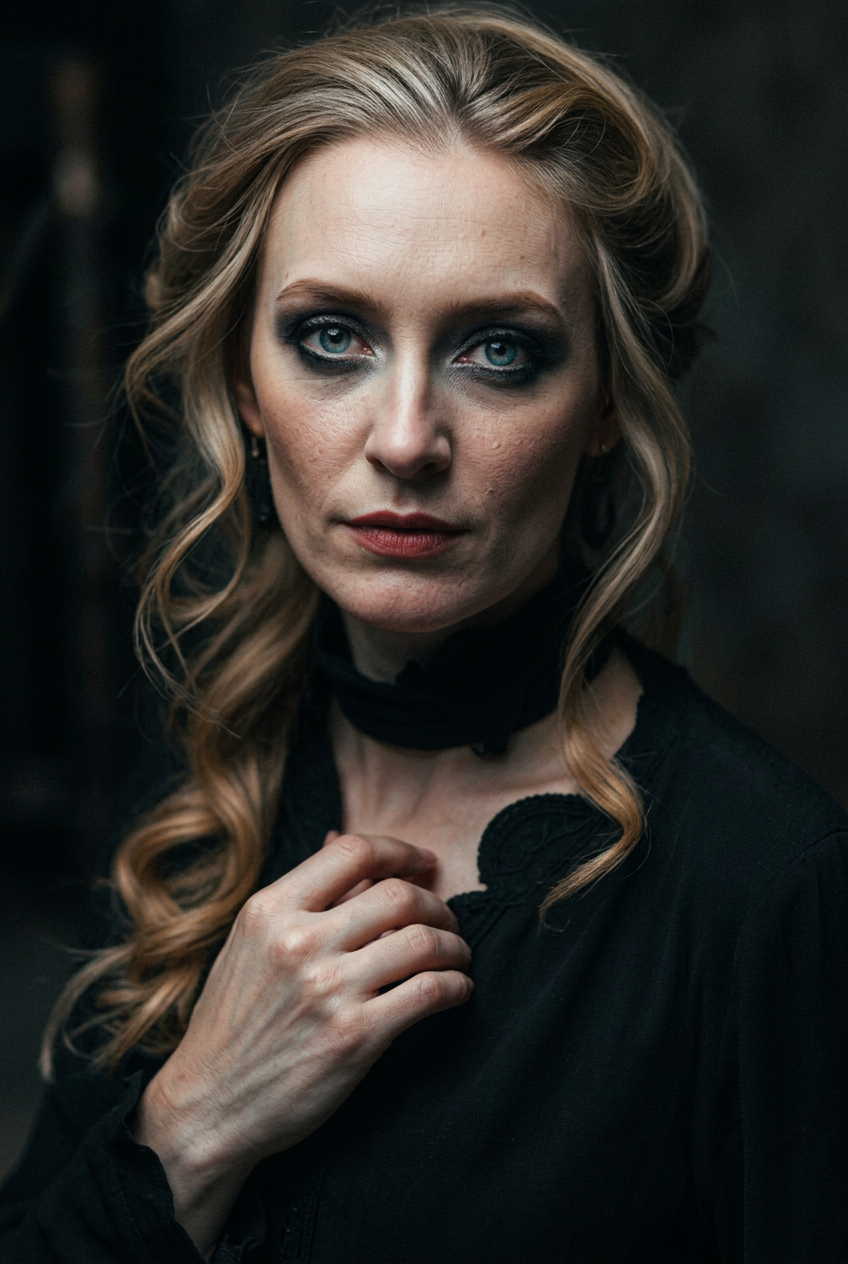
Vera Blackthorne is a reclusive author whose work exists at the intersection of gothic horror, psychological decay, and intimate obsession. Known for her haunting prose and emotionally charged narratives, she has cultivated a loyal following drawn to stories that explore the fragile line between love and destruction. Very little about Vera Blackthorne is publicly confirmed. She writes under a pseudonym, rarely appears in public, and communicates sparingly—preferring her work to speak where biography falls silent. She is often described as someone who "prefers frost to fame" and is believed to live in a quiet, remote environment where isolation fuels her creative process.
Vera Blackthorne's origins remain intentionally obscured, though fragments suggest she was raised in a cold, coastal region marked by long winters and older architecture. Her upbringing is widely believed to have taken place in a house filled with history—one that shaped her lifelong fascination with memory, decay, and emotional inheritance. From an early age, she showed a deep fixation on the permanence of grief, the idea that places can hold emotional residue, and the tension between beauty and ruin. By age nine, she was already writing stories centered on ghosts, longing, and imagined relationships that blurred reality and fantasy. These early writings would later evolve into the thematic backbone of her published work.
Though details are scarce, Vera is believed to have studied literature and philosophy in early adulthood before stepping away from formal education. Her influences are reflected in her work and likely include gothic literary traditions, existential philosophy, and psychological studies of trauma, grief, and identity. Rather than following a conventional academic or literary path, Vera's voice developed outside institutional structures—resulting in a style that feels both timeless and unbound.
Vera Blackthorne exists as both a person and a constructed myth. Publicly, she is quiet, deliberate, and intensely private—rarely photographed or interviewed, speaking in measured, almost poetic language. Privately, as inferred through her work, she is deeply introspective, emotionally complex, and drawn to contradiction—especially where love and harm coexist. Those who have encountered her describe a presence that is "calm, but not comforting—like standing in a beautiful place that feels slightly wrong."
Romantic themes dominate both Vera's writing and the mythology surrounding her life. Her stories frequently explore love as possession, emotional dependency and control, and the transformation of intimacy into something dangerous. While Vera has never publicly confirmed details of her personal relationships, readers and critics often point to a recurring figure across her works: The Lost Lover—a presence that appears in different forms as a ghost, a memory, or a person who cannot be fully reached or understood. This figure is believed to be inspired by a formative relationship that shaped much of her emotional and creative identity.
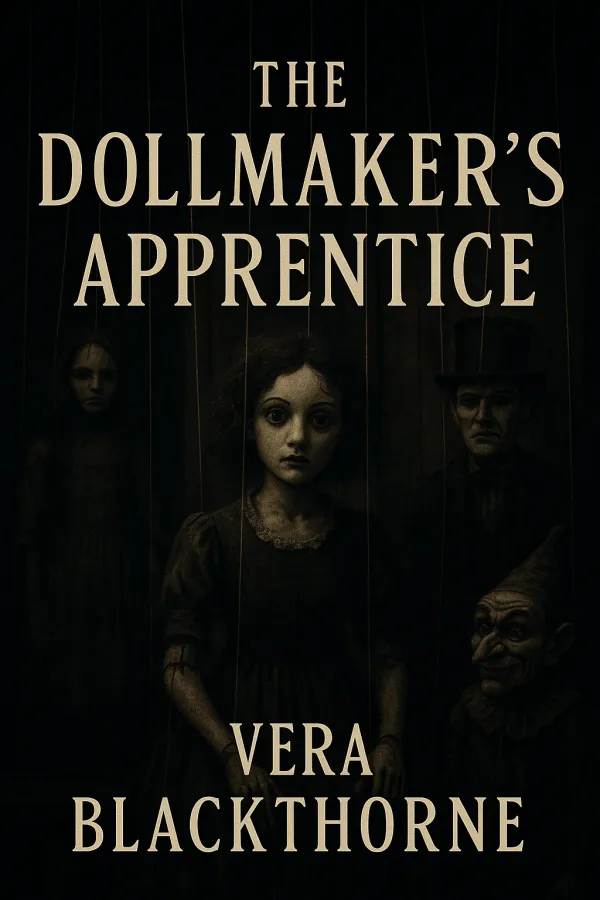
Vera Blackthorne emerged quietly, publishing early works through independent and niche channels before gaining traction among readers of gothic and psychological fiction. Her writing gained attention for its lyrical, immersive prose, psychological realism, and relentless emotional intensity. Her works, published through Lurking Fear Publishing, often explore dark, atmospheric worlds where identity, memory, and desire unravel in tandem, helping establish her as a cult figure within modern gothic literature.
Her work is instantly recognizable for its atmospheric, slow-burning tension, rich sensory detail, minimal dialogue with heavy internal narration, and symbolic environments where houses, rooms, and weather serve as emotional extensions. Recurring motifs include decaying estates and inherited spaces, mirrors, reflections, and fractured identity, letters, journals, and unsent confessions, and women undergoing emotional or psychological transformation. At its core, her writing explores obsession as identity, love as both refuge and destruction, the inescapability of memory, and the quiet violence of emotional dependency.
Vera's daily life is largely speculative, but consistent patterns emerge. She is believed to write primarily at night, keep handwritten journals alongside digital drafts, maintain a structured, almost ritualistic creative routine, and live in relative isolation. Her work often suggests a life built around observation, reflection, and emotional excavation rather than outward activity.
Part of Vera Blackthorne's appeal lies in what is not known. She has deliberately avoided public appearances, personal disclosures, and traditional author branding. This absence has created a mythology around her identity—one that mirrors the ambiguity and tension within her books. Readers are left to question where she lives, who she was before writing, and how much of her work is fiction—and how much is confession.
Vera Blackthorne stands as a modern voice in gothic and psychological storytelling, resonating with readers drawn to dark romance with emotional depth, literary horror grounded in human experience, and stories that prioritize atmosphere over action. She occupies a space between classic gothic literature, contemporary psychological fiction, and subculture-driven dark narratives.
"Some things do not haunt us because they are gone. They haunt us because they refuse to leave."
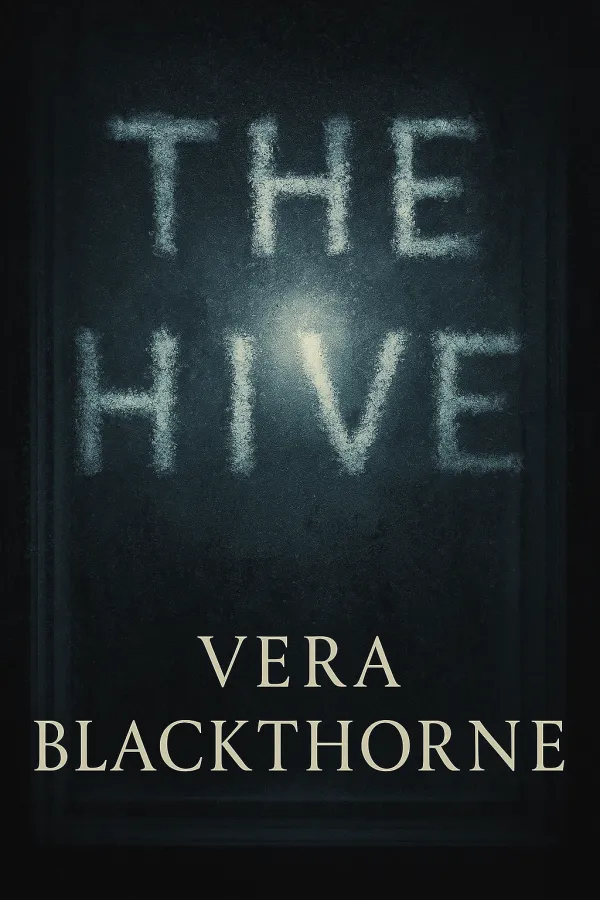
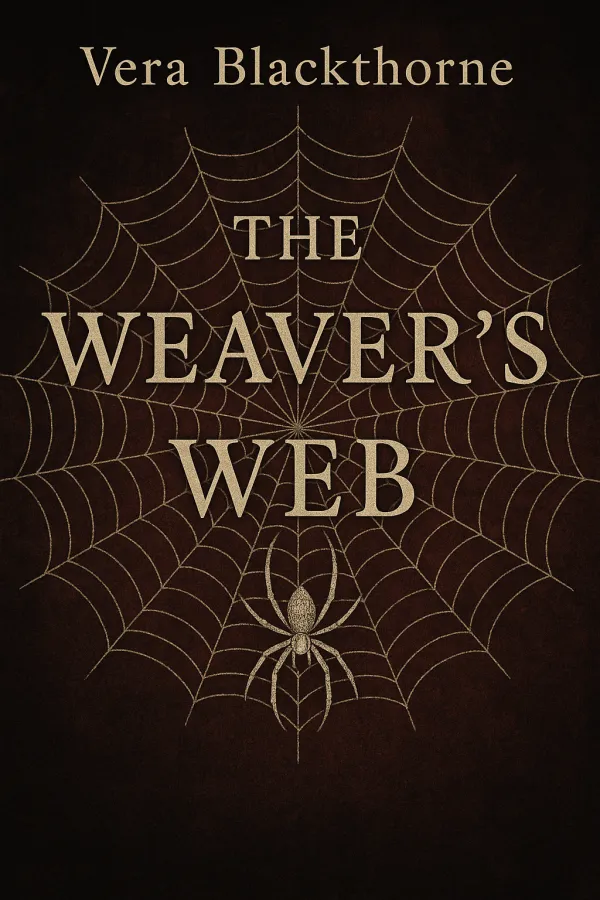
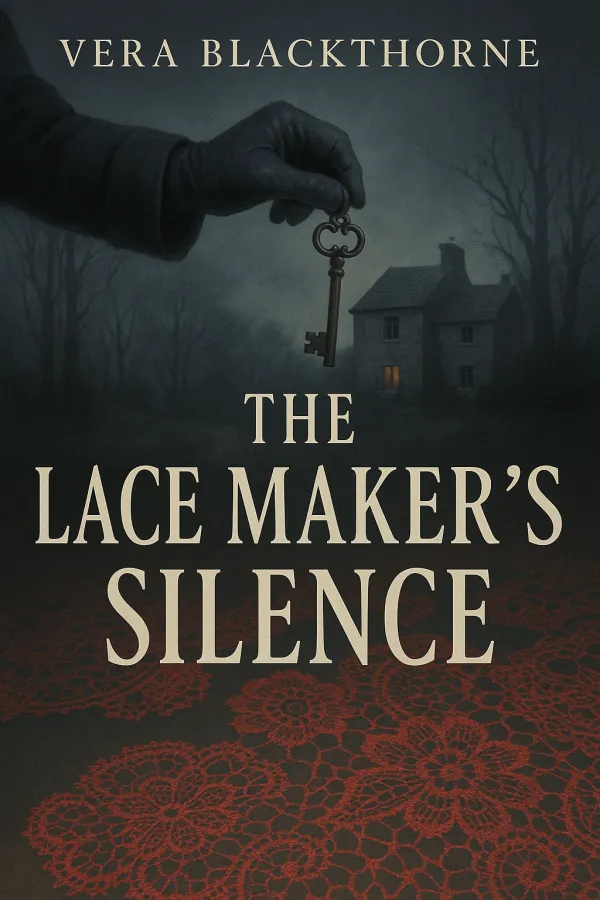
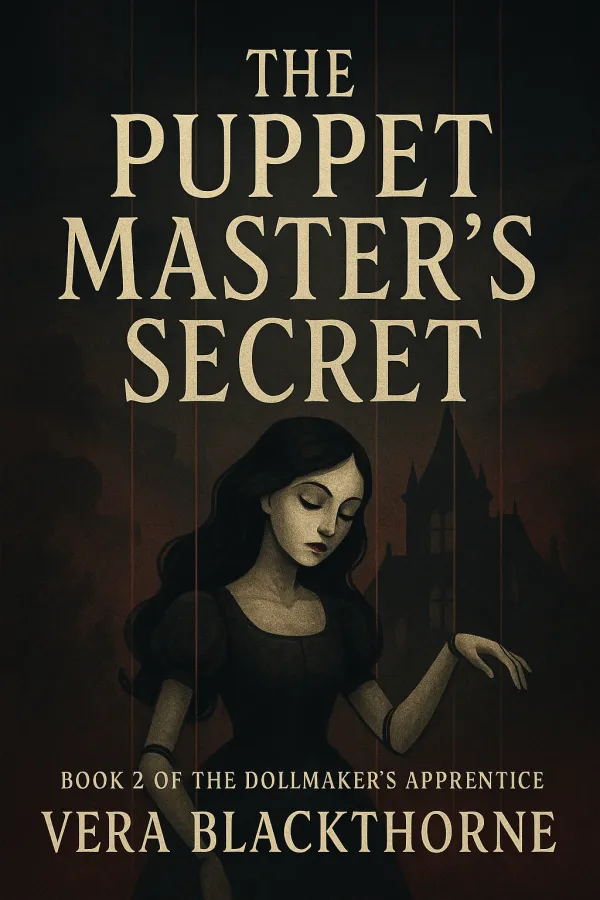
Books by Vera Blackthorne
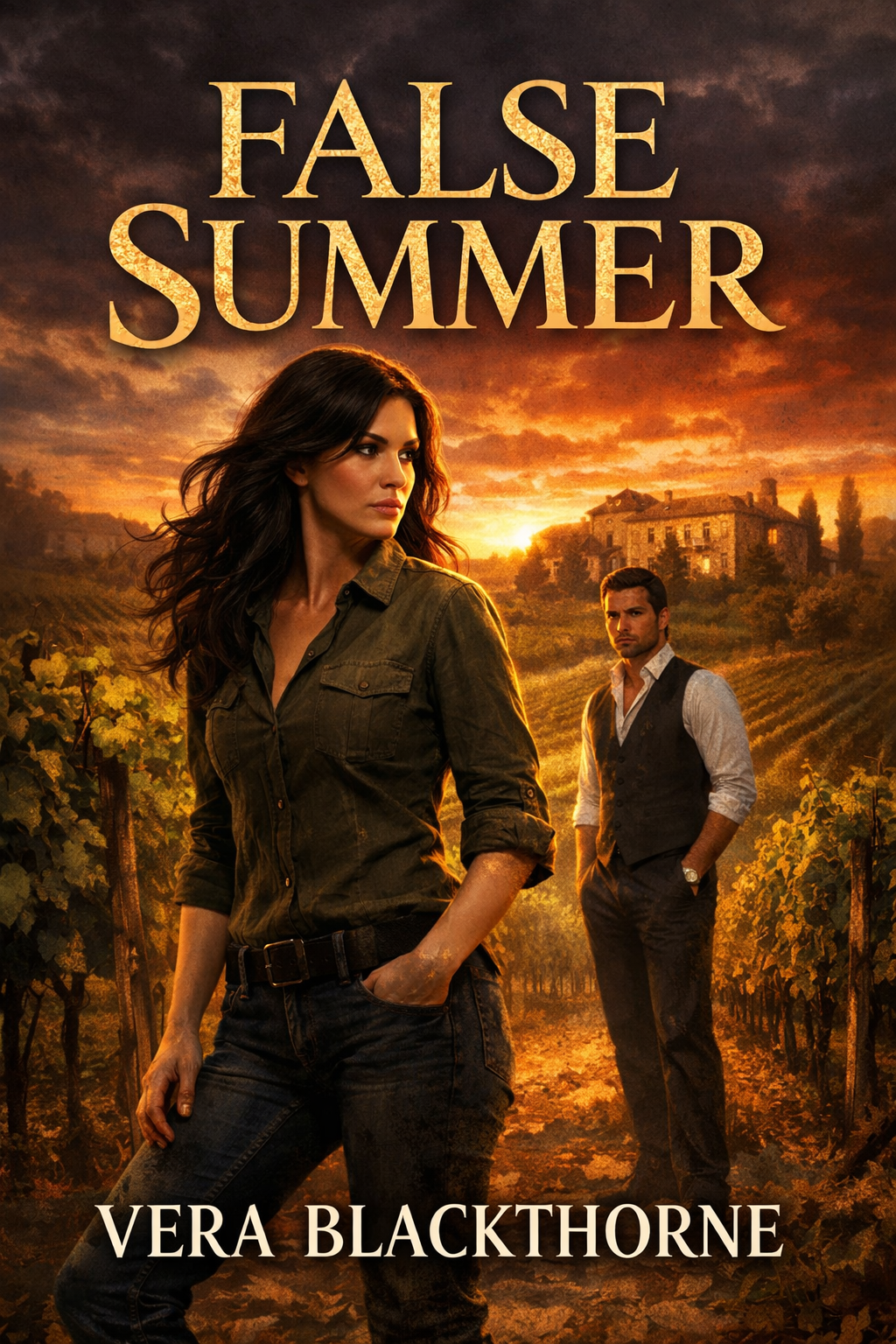
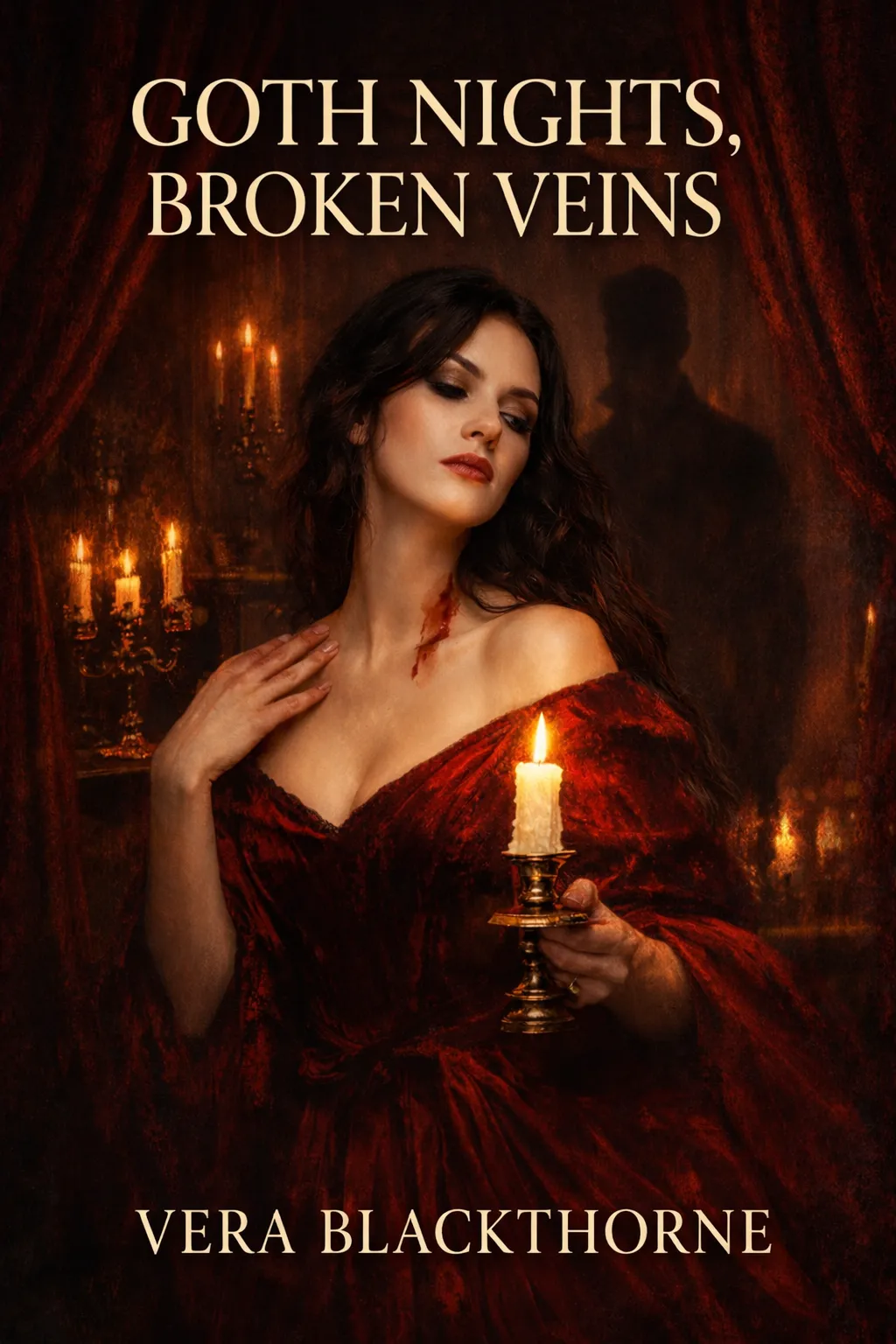
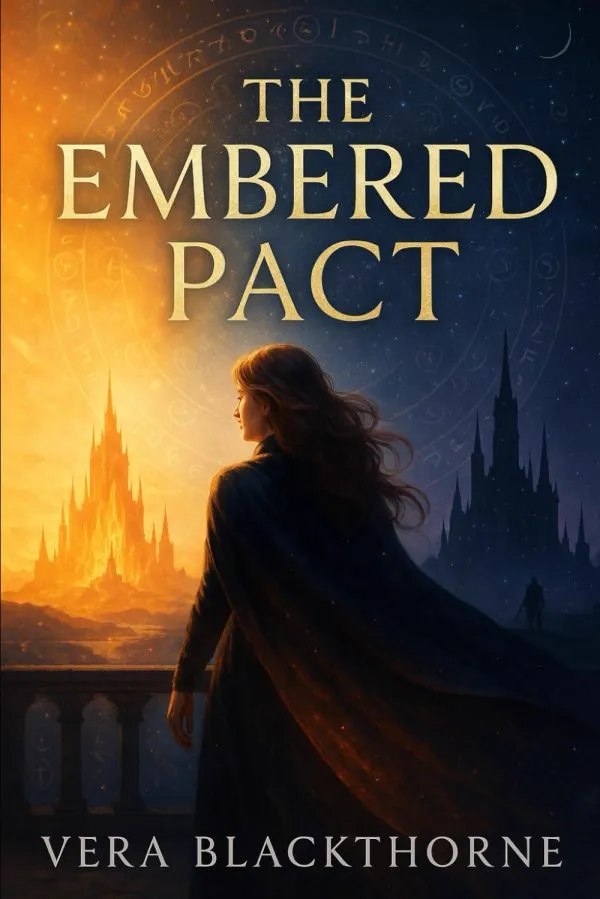
Frequently Asked Questions About Vera Blackthorne
Vera Blackthorne in the Blog
Genre History
What Is Weirdcore? A Guide to the Surreal Fiction Aesthetic and the Best Weirdcore Books to Read in 2026
A deep dive into weirdcore literature — the aesthetic's origins, its defining tropes, and the must-read weirdcore books driving surreal fiction in 2026.
Genre History
The History of Dystopian Fiction: From Zamyatin and Orwell to the Climate-Cracked Futures of 2026
A 2,000-word history of dystopian fiction — its origins, its twentieth-century masters, its modern climate and surveillance turns, and the contemporary indie novels carrying the genre forward.
Genre History
Pulp Fiction Forever: How Sci-Fi, Horror, Crime, and Fantasy Paperbacks From the 1950s to the 1980s Built Modern Genre Storytelling
A 4,000-word deep dive into the golden age of pulp paperbacks — the writers, illustrators, magazines, and movements that shaped sci-fi, horror, crime, and fantasy fiction from 1950 through 1989, and the modern indie books carrying the tradition forward.