The Art of the Pseudonym
A name is a powerful thing. It carries expectations, associations, and a kind of promise. For writers, a name can become a brand — and sometimes, one brand isn't enough to contain all the stories they need to tell. Enter the pseudonym: one of literature's oldest and most fascinating traditions.
The history of pen names is as old as publishing itself. The Brontë sisters wrote as Currer, Ellis, and Acton Bell. Mary Ann Evans became George Eliot. Stephen King became Richard Bachman. In each case, the pseudonym served a purpose — sometimes practical, sometimes artistic, sometimes both.
For many authors, a pen name is a form of liberation. It allows them to explore genres, tones, and subjects that might seem inconsistent with their established identity. A literary novelist can write pulp horror without confusing their readers. A horror writer can publish romance without raising eyebrows.
At Lurking Fear Publishing, we understand the power of the pseudonym. Several of our authors write under multiple names, each one representing a different facet of their creative identity. We see the pen name not as a disguise but as an expansion — a way of being more fully oneself by becoming someone else.
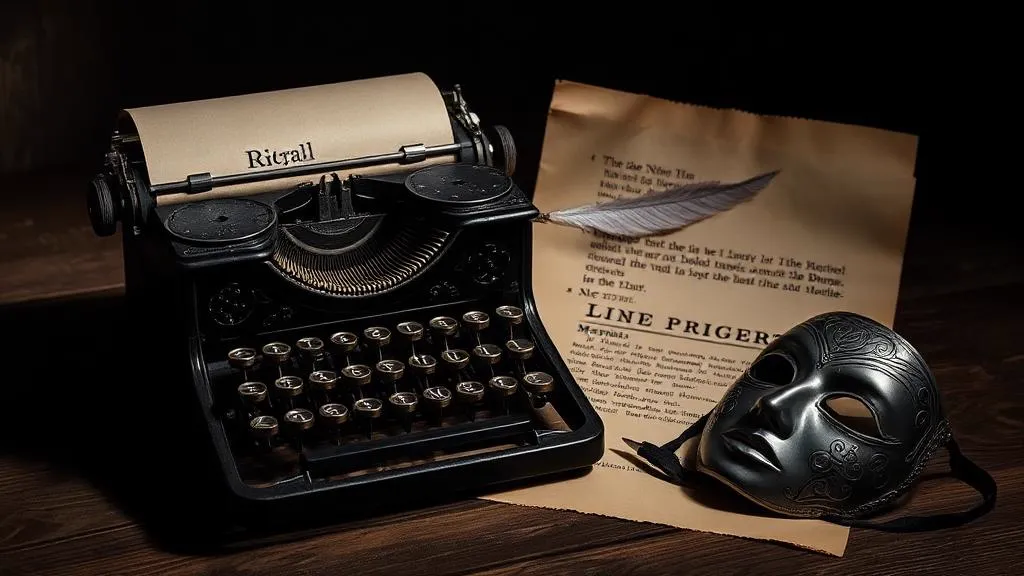
There's something deeply fitting about this in the context of horror fiction. Horror has always been about identity — the fear of losing it, the terror of discovering what lies beneath the surface. A pseudonym is its own kind of mask, and masks, as any horror writer knows, have a way of revealing more than they conceal.
The art of the pseudonym isn't dying. If anything, in an age of personal branding and online visibility, it's more relevant than ever. Sometimes the best way to tell the truth is to hide behind a different name.
Share this article